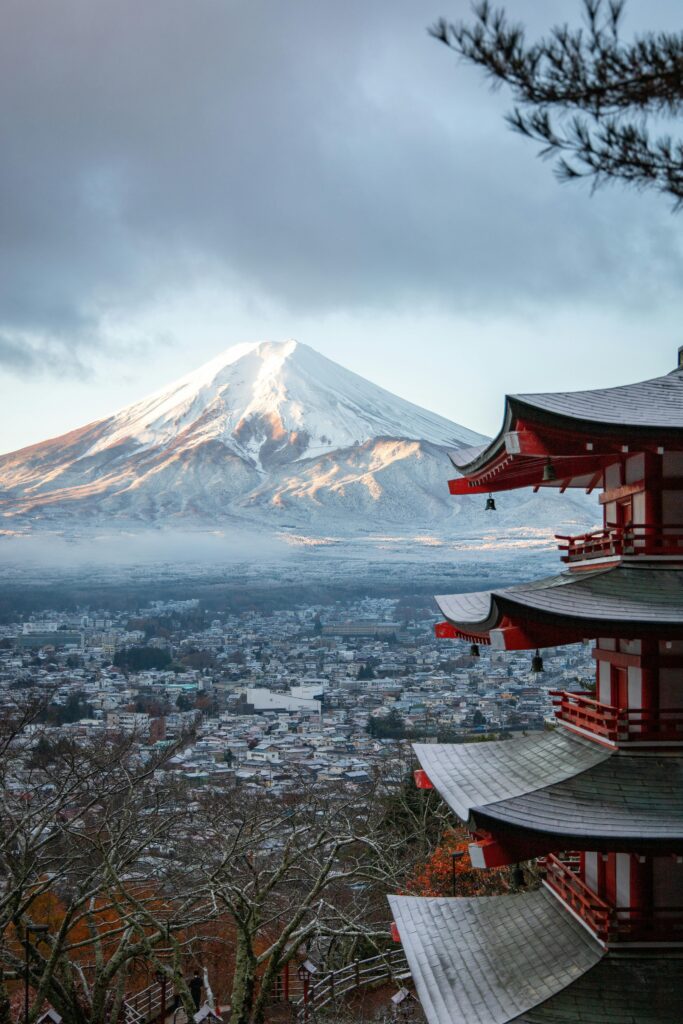
If you really want to experience Japan like a local, you gotta understand how much we live by the seasons. Over here, “kisetsu” isn’t just weather—it’s a mood, a rhythm, a whole way of feeling alive. So, bila nak plan your trip, timing isn’t just about avoiding crowds, but about picking your own adventure. Let’s spill the tea on the real best time to visit Tokyo, Kyoto, and Mt. Fuji, straight from our point of view.
Spring (March–May): Sakura Dreaming
Springtime in Japan is legendary. You see the first sakura blooming and suddenly the whole city transforms. Picnics, “hanami” (flower viewing) parties, everyone fighting for the best spot under the cherry blossoms. If you come in spring, Tokyo’s Ueno Park and Kyoto’s Philosopher’s Path are where you’ll see the petals rain down like confetti. Dekat area Fuji Five Lakes, sakura with Mt. Fuji as your background is the kind of view that makes you pause and go, “betul ke ni real life?”
Why Spring is the Move:
-
Weather is cool and comfy, tak panas sangat.
-
Food stalls pop up everywhere, selling hanami bento and sweet sakura mochi.
-
The energy is contagious, sebab semua orang keluar celebrate.
But, you gotta book early! Musim ni memang ramai, sebab semua nak tengok sakura.
Summer (June–August): Matsuri Madness
Kalau you datang summer, get ready for pure festival chaos. We call it “matsuri” season apabila streets penuh dengan parades, people in “yukata” (casual kimono), and every night, fireworks light up the sky. Summer in Japan is humid and hot, but that doesn’t stop anyone from going out and making memories.
Why Summer Slaps:
-
There’s always a festival somewhere, from Tokyo’s big city vibes to Kyoto’s small-town feels.
-
Try local street food like yakisoba and kakigori (shaved ice dessert)—it hits different in the heat.
-
Best time for outdoor adventures—think hiking, lakeside chilling, or even theme parks.
Just remember, bawa kipas mini and drink lots of water. Panas dia boleh tahan!
Autumn (September–November): Koyo Vibes
When autumn hits, everything turns into a painting. The leaves change to red, orange, and yellow—it’s what we call “koyo.” Kyoto and Tokyo both have spots where the trees look like they’re on fire. In Lake Kawaguchi, the view of Fuji framed by golden trees is honestly next level.
Autumn Feels:
-
Weather is cool, crisp, and perfect for walking tours.
-
Seasonal snacks appear, like sweet potato and roasted chestnut. You’ll find street vendors everywhere.
-
Less crowded than spring, so boleh betul-betul enjoy the scenery.
This is the season for slow walks, lots of photos, and quiet vibes. You see families, couples, even solo travelers just soaking it all in.
Winter (December–February): Snow & Onsen Season
Winter is when Japan turns silent and soft. Snow falls in Hakone and the Fuji area, covering everything in white. The best thing ever? Onsen (hot springs). After a cold day, slipping into a steaming bath while watching the snow fall—pure bliss, or as we say, “saikou.”
Winter Highlights:
-
Try hot pot dishes like “nabe” and seasonal seafood, perfect for warming up.
-
Illuminations light up the city, giving Tokyo and Kyoto a fairytale glow.
-
Skiing or snowboarding? Plenty of resorts just a train ride away.
Pro tip: Always bring “kairo” (heat packs) in your pocket, and layer up.
Local Survival Kit for Every Season
-
Always check weather updates. Sometimes typhoon or rain sneaks up, especially in summer.
-
If you want those iconic sakura or koyo shots, wake up early. Locals do this to beat the crowd.
-
Respect nature, jangan petik bunga or buang sampah sembarangan.
With Escaption, you can actually plan around your dream season—ikut mood you. Over here, we say “kisetsu o tanoshimu”—enjoy the season you’re in. That’s how we make every trip special, and you should too. Every time you visit, it’ll feel like a different country, trust us.